Tela
- Client
- Tela
- Discipline
- Branding, visual strategy and art direction
- Year
- 2025
- Art direction and brand strategy
- Alexandre Wake
- Project management
- Tassiana Costa
- Client and approval
- Humberto Farias
Branding for a generative artificial intelligence startup focused on multi-model and multimodal computing.
The challenge
The platform connects different AI models to improve performance, accuracy and computational efficiency. The brand needed to explain this infrastructure to specialists and companies without falling back on the visual conventions commonly used in the industry.
My role
I led the visual strategy, creative concept and art direction. I developed the identity, visual signature and graphic system used across institutional communication and digital environments.
Decisions
The idea
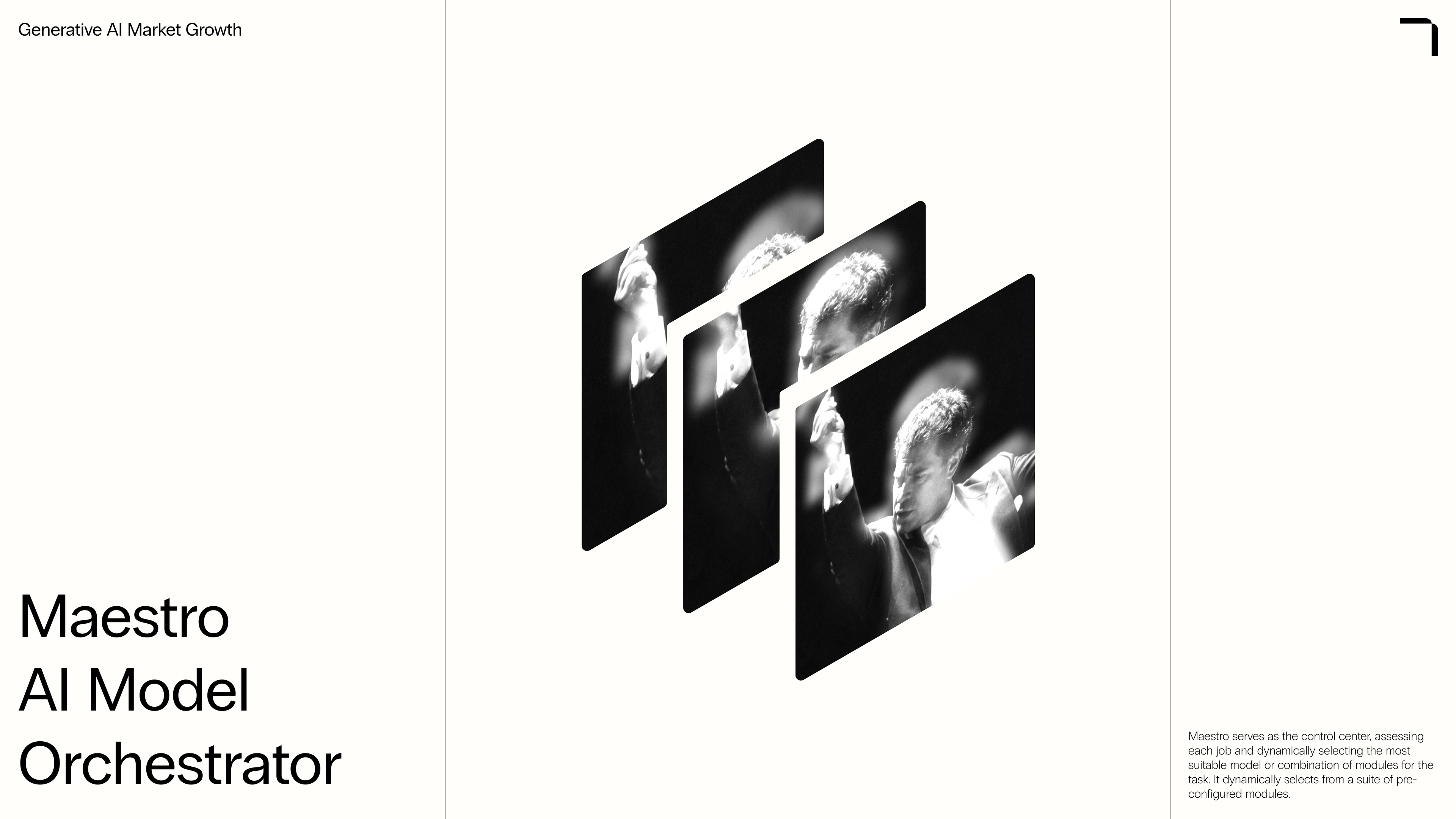
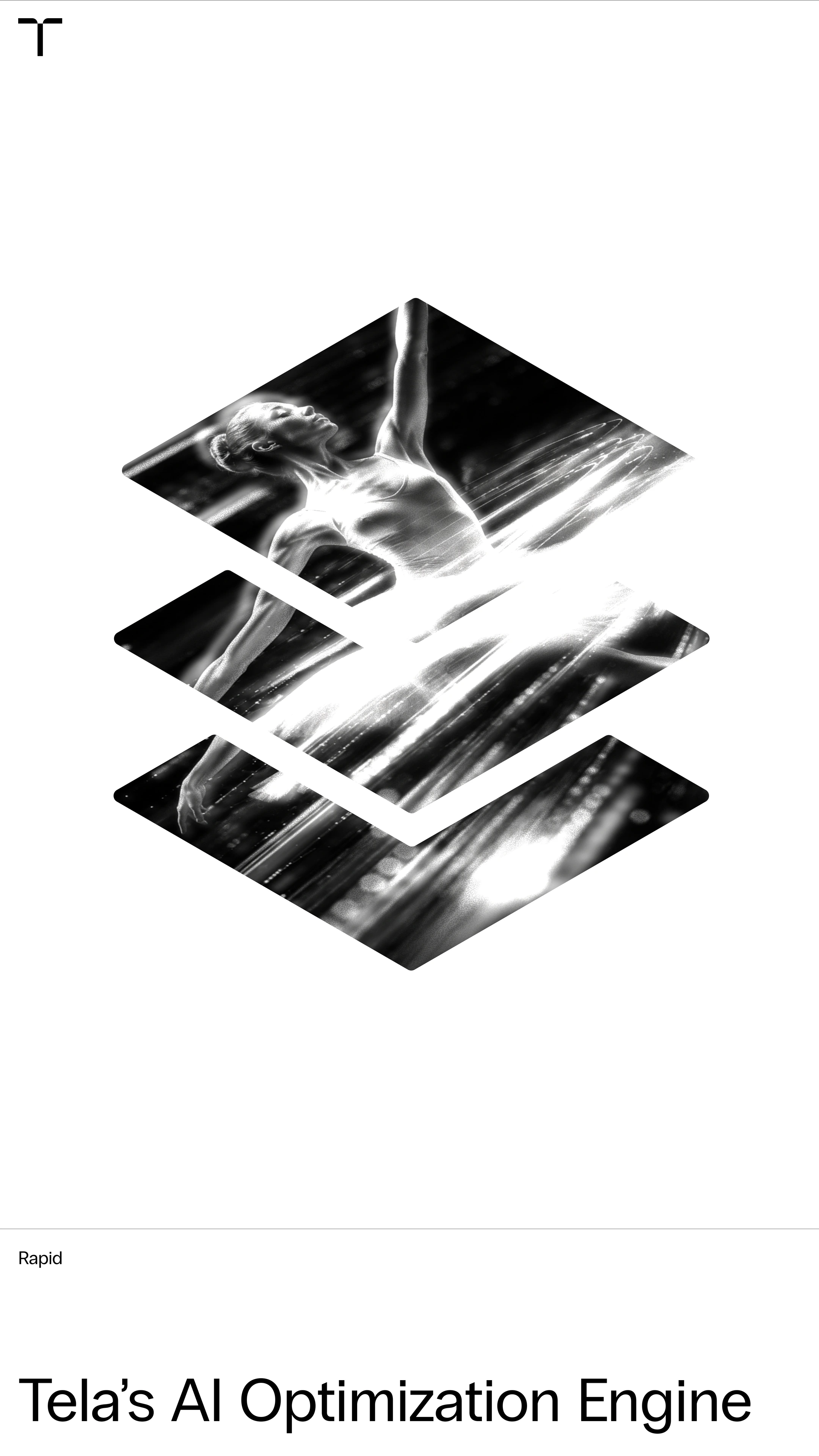
The identity is based on TELA’s ability to bring models, formats and computing resources into one structure.
Rather than illustrating artificial intelligence literally, the system works through architecture, connection and modularity.
The system
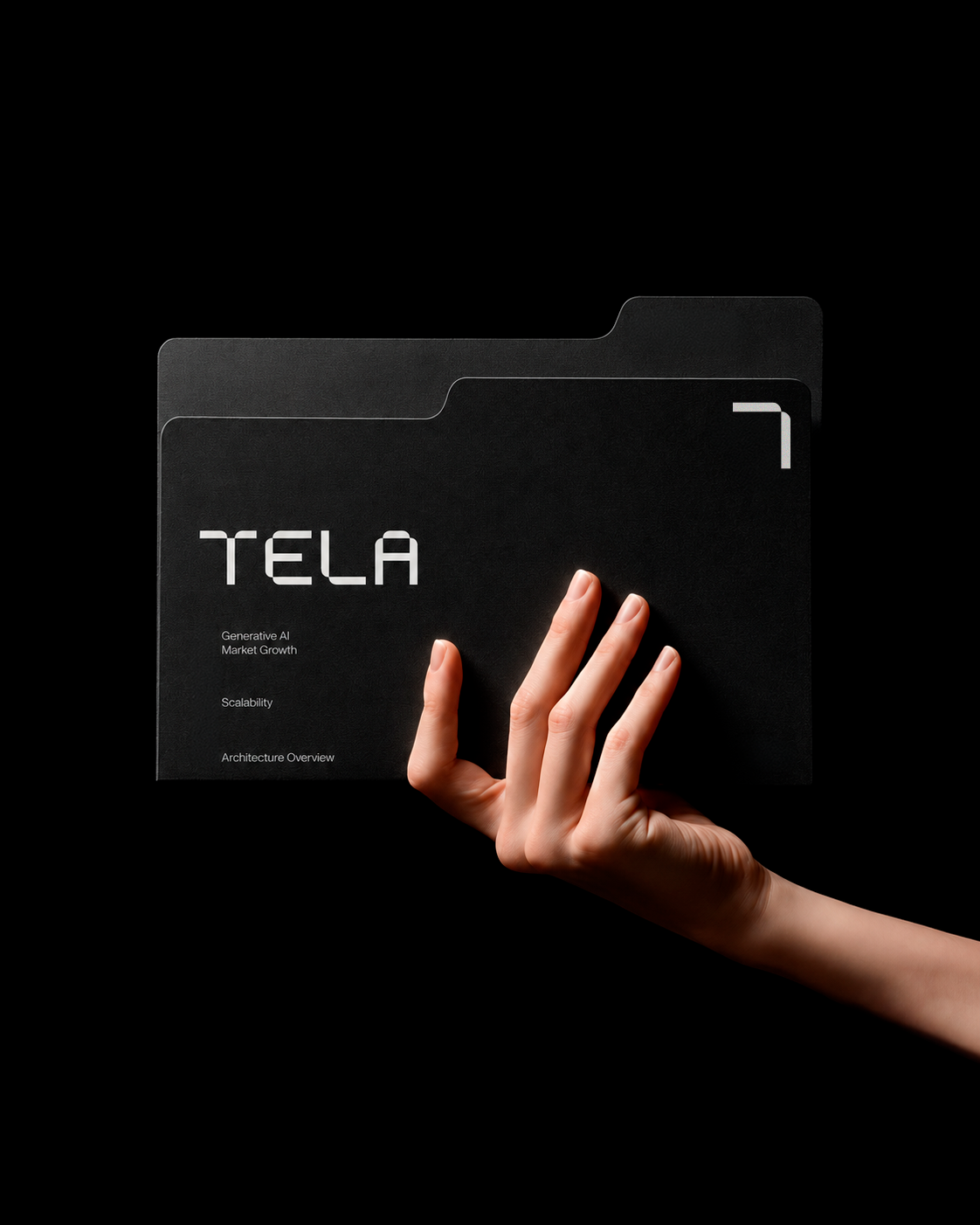
The wordmark uses geometric forms, controlled cuts and precise spacing to create a proprietary technological signature.
Typography, hierarchy and grid organize large volumes of technical information. The minimalist approach reduces noise and allows the product to be presented clearly without losing density or credibility.
The result is an identity designed to work consistently across brand communications, institutional presentations and digital products.
Pieces